How to tell the difference between a roof with years left in it and a roof that is quietly costing you money.
Start with the age of the system
A standard three-tab asphalt roof in the Delaware Valley generally reaches the end of its useful life somewhere between 15 and 20 years. Architectural shingles last longer, often 25 to 30 years, but heat, ice cycles and poor attic ventilation all shorten that window.
Age alone is not a reason to replace a roof. It is a reason to have it looked at properly, because the failure modes below become far more likely once a roof is past the midpoint of its life.
What to look for
Any one of these on its own can be a repair. Several together usually means the system is done.
- Granules collecting in gutters and at downspout outlets — the shingle surface is wearing away.
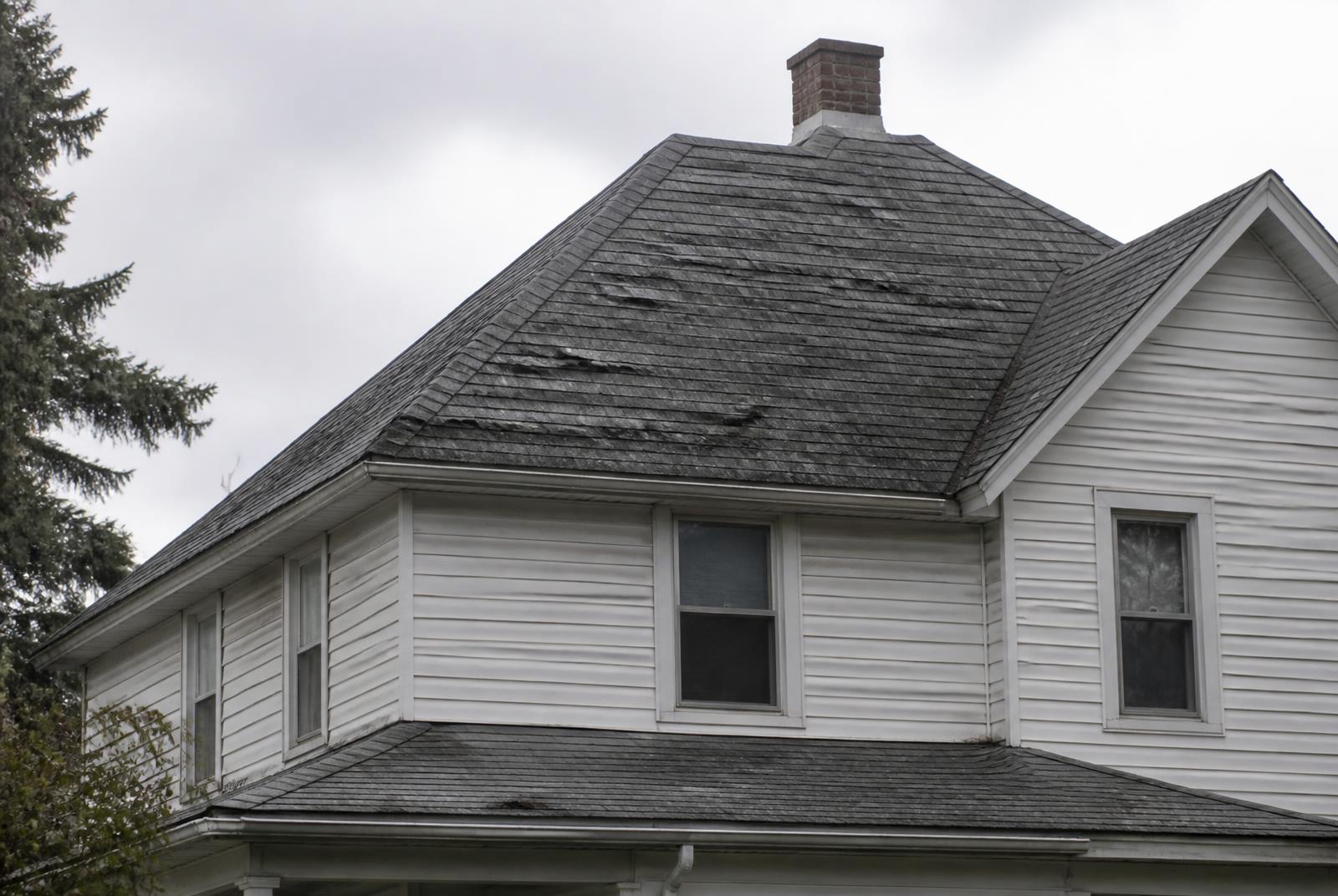
- Shingles that curl at the edges or cup in the middle, which means the mat has dried out.
- Bald or cracked shingles on the south and west slopes, which take the most sun.
- Repeated leaks in different locations rather than one recurring spot.
- Sagging between rafters, visible from the ground along the ridge or field of the roof.
- Daylight visible through the roof deck from inside the attic.
- Dark staining or damp insulation in the attic after rain.
Repair or replace
A localized problem with an otherwise sound roof — a few wind-lifted shingles, failed pipe boot, split valley flashing — is a repair, and a good one will last.
Once the shingle mat itself is failing across whole slopes, patching stops being economical. Each repair disturbs neighbouring shingles that are equally brittle, and you end up paying repeatedly for work that a single replacement would have resolved.
Get it in writing
Whichever direction you go, ask for photographs of what the contractor found and a written scope that names the materials, the underlayment, the flashing details and the ventilation plan. If a proposal cannot tell you what is going on the roof, it cannot tell you what you are buying.